Embracing New Tech: Challenges and Opportunities
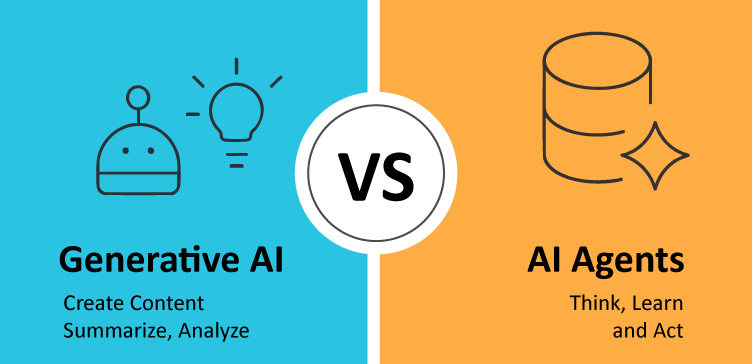
Generative AI, much like the early days of social media, has faced skepticism. Yet, it offers unprecedented opportunities to reach audiences in innovative ways. Back then, convincing clients of social media’s value beyond direct conversions was a task. Today, the challenge lies in illustrating AI’s broader benefits, from enhanced content creation to improved customer interactions. In this article we have outlined four categories of AI effectiveness, namely: productivity, engagement, output and creative quality & cost-savings. We will dive deeper into how AI can provide value and the most important KPIs in each category.
Productivity KPIs: The Efficiency Boost
One of the primary benefits of AI in marketing is increased productivity. AI can automate repetitive tasks, freeing up time for more strategic activities. Here are some key productivity KPIs to track:
- Cost Savings: Track reductions in operational costs as AI takes over time-consuming processes.
- Number of Tasks Automated: Measure how many routine tasks are now handled by AI, such as scheduling posts or analyzing data.
- Time Saved: Calculate the hours saved weekly due to AI automation, allowing your team to focus on more critical work.
Engagement KPIs: Captivating Your Audience
Generative AI can transform how you engage with your audience, offering personalized and interactive experiences. Tracking engagement KPIs is essential to measure the success of these initiatives:
- Website Traffic: Measure the increase in visits to AI-related web pages or microsites.
- User Interactions: Monitor the number of interactions with AI-driven content or tools.
- Social Shares: Track how often users share AI-generated content on social media.
Output and Creative Quality KPIs: Measuring Innovation
AI’s role in content creation and innovation is another critical area to measure. These KPIs focus on the quality and impact of AI-generated outputs:
- Content Quality: Use sentiment analysis to assess the reception of AI-generated content.
- Creativity Score: Develop a scoring system to evaluate the creativity and originality of AI-produced work.
- Audience Feedback: Collect qualitative feedback from users about their experiences with AI-generated content.
Output and Creative Quality KPIs: Measuring Innovation
Finally, cost-saving KPIs are crucial for demonstrating AI’s financial impact. These metrics show how AI helps reduce expenses and improve ROI:
- Operational Costs: Track reductions in costs due to AI automation.
- ROI: Calculate the return on investment for AI initiatives, comparing the costs of implementation with the financial benefits.
- Efficiency Gains: Measure the overall efficiency improvements in processes and resource allocation.
Conclusion: Navigating the AI Frontier
Measuring the success of generative AI in marketing requires a strategic approach to KPIs. By focusing on productivity, engagement, creative quality, and cost-saving metrics, you can effectively gauge AI’s impact. Remember, we’re all pioneers in this AI journey, so approach your projects with a sense of exploration and experimentation. Define clear objectives, align your KPIs with these goals, and be ready to adapt as you uncover new insights. Embrace the potential of generative AI, and let these KPIs guide you toward success in the ever-evolving marketing landscape.