The ethics may be debatable. But the signal was impossible to ignore.
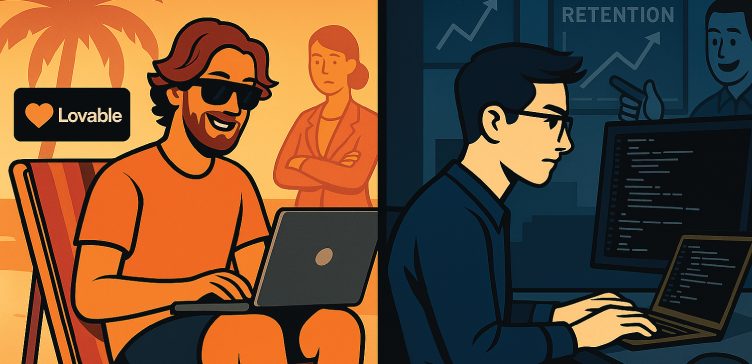
Last year, two Columbia students were caught cheating during a technical interview.
Instead of quietly retreating, they leaned in. They built a tool.
The product, Cluely, listens to Zoom calls and feeds real-time answers. It went viral. It raised millions. And it confirmed what many in hiring already suspected:
You can’t tell who is cheating anymore.
Not on HackerRank. Not on take-home projects. Not even in live interviews.
Why We Threw Out the Old Playbook
At EasyBee AI, we took the message seriously.
We stopped pretending that traditional developer assessments were still effective.
Just four months ago, we proudly used HackerRank. Today, it’s gone from our process.
We also said goodbye to:
- Trivia-style questions about large language models
- Whiteboard prompts that measure cleverness more than competence
- One-size-fits-all take-home assignments
In their place, we introduced something that better reflects the real job: building agents that work.
The One-Week AI Agent Challenge
Every AI developer candidate now gets a real-world challenge, based on an actual use case from inside EasyBee AI.
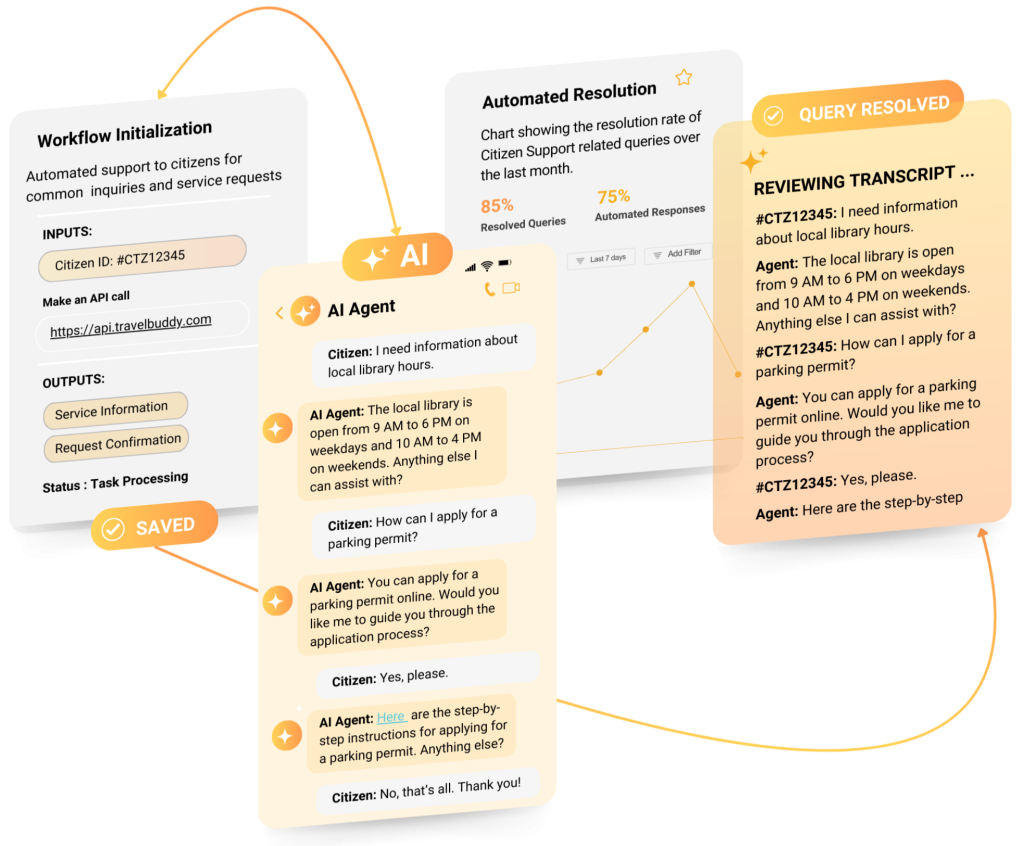
One example is Travel Genie, our internal AI travel assistant.
Here’s what the challenge looks like:
- Build an AI agent from scratch
- Use any and all tools at your disposal: GitHub, ChatGPT, Cursor AI, open-source repos, low-code frameworks
- You are encouraged to use what works
- There are no hidden rules, only the task of creating something useful
There is no perfect solution. Yes, clean code matters. But what matters more is how fast you learn, how you approach the unknown, and what you manage to build.
You can take as long as you want. You can iterate. The only thing we care about is the outcome.
What We See
The moment we hand over the prompt, the process begins to reveal a lot.
Some drop out immediately. They expected something theoretical. Instead, they’re asked to build.
Some submit just enough to get by. Their agents run, but lack creativity. There is no edge.
Then there are the ones who stand out.
They ask great questions. They take the brief and stretch it. Some deliver features we eventually use in production.
That’s the signal we’re looking for.
What Happens After
Completing the challenge is only step one.
Once someone joins the team, they enter an environment built to help them grow fast. We call it EZB University.
This internal bootcamp includes:
- White papers on Agentic AI, retrieval-augmented generation, AI agent maturity levels, and our HexTech framework
- Live code walkthroughs and hands-on architecture sessions
- A full tools database with templates and resources, starting with Cursor AI
Our developer Net Promoter Score is over 70. That’s significantly higher than many industry benchmarks, including OpenAI’s last reported figure.
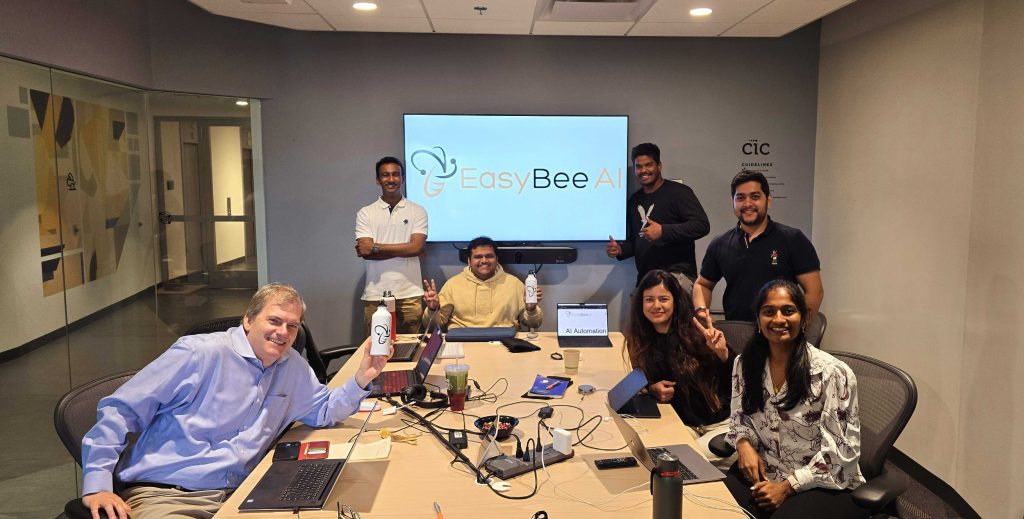
We’re also proud of the team itself. Developers from all over the world work together here in Boston. And we’ve built a team that includes more than double the industry average of women in technical roles.
Building Matters More Than Testing
At EasyBee AI, we understand that cheating is easy. Tools make it effortless to look competent.
So we stopped assessing optics and started assessing output.
We don’t care about resumes or credentials. We care about the ability to think fast, learn fast, and build well.
If that sounds like you, we’re hiring.
And if you were planning to cheat on your next coding interview, maybe don’t just fake it. Build something great instead.