Introduction
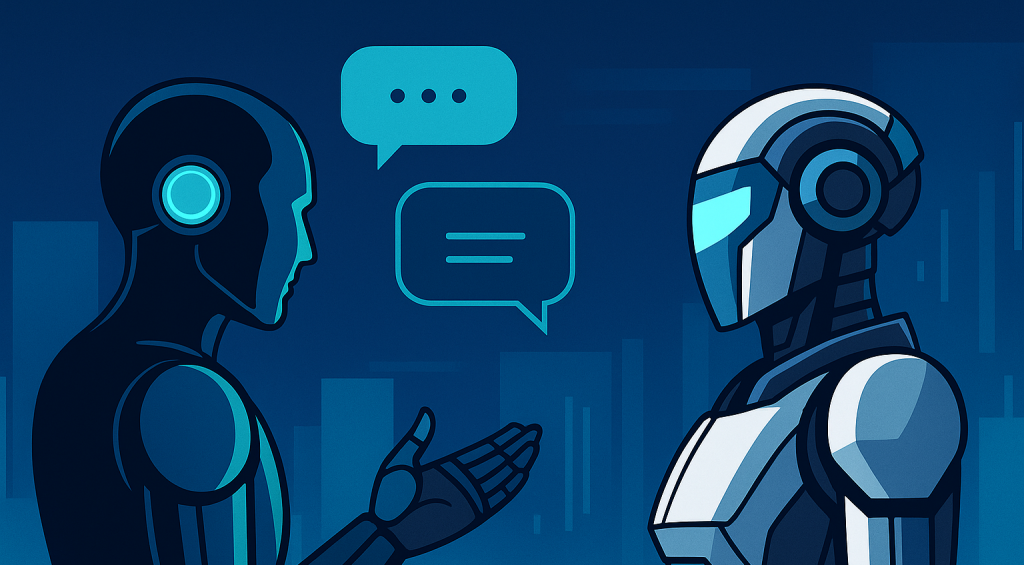
Remember when chatbots first hit the scene? Those early bots were great at automating simple tasks but fell short when it came to understanding complex queries. Fast forward to today, and conversational AI has grown into a powerhouse of advanced technologies like natural language processing (NLP), natural language understanding (NLU), machine learning (ML), and speech recognition. These advancements have turned chatbots into dynamic conversational agents that can interpret and respond to human inputs with remarkable accuracy. Let’s dive into how this transformation happened.
From Simple Bots to Smart Assistants
Chatbots: The Early Days
The first chatbots were all about automating customer interactions and providing basic information. They relied on pre-programmed responses and keyword matching. While useful, their limitations quickly became apparent. They couldn’t handle complex queries or provide nuanced responses, often leaving users frustrated.
NLP Revolution: Teaching Bots to Understand
Enter Natural Language Processing (NLP). This technology marked a significant turning point for conversational AI. NLP enables machines to comprehend and interpret human language, paving the way for more sophisticated interactions. Techniques like sentiment analysis, intent recognition, and entity extraction allowed chatbots to understand user queries more accurately, improving the overall conversational experience.
Contextual Understanding: Making Conversations Personal
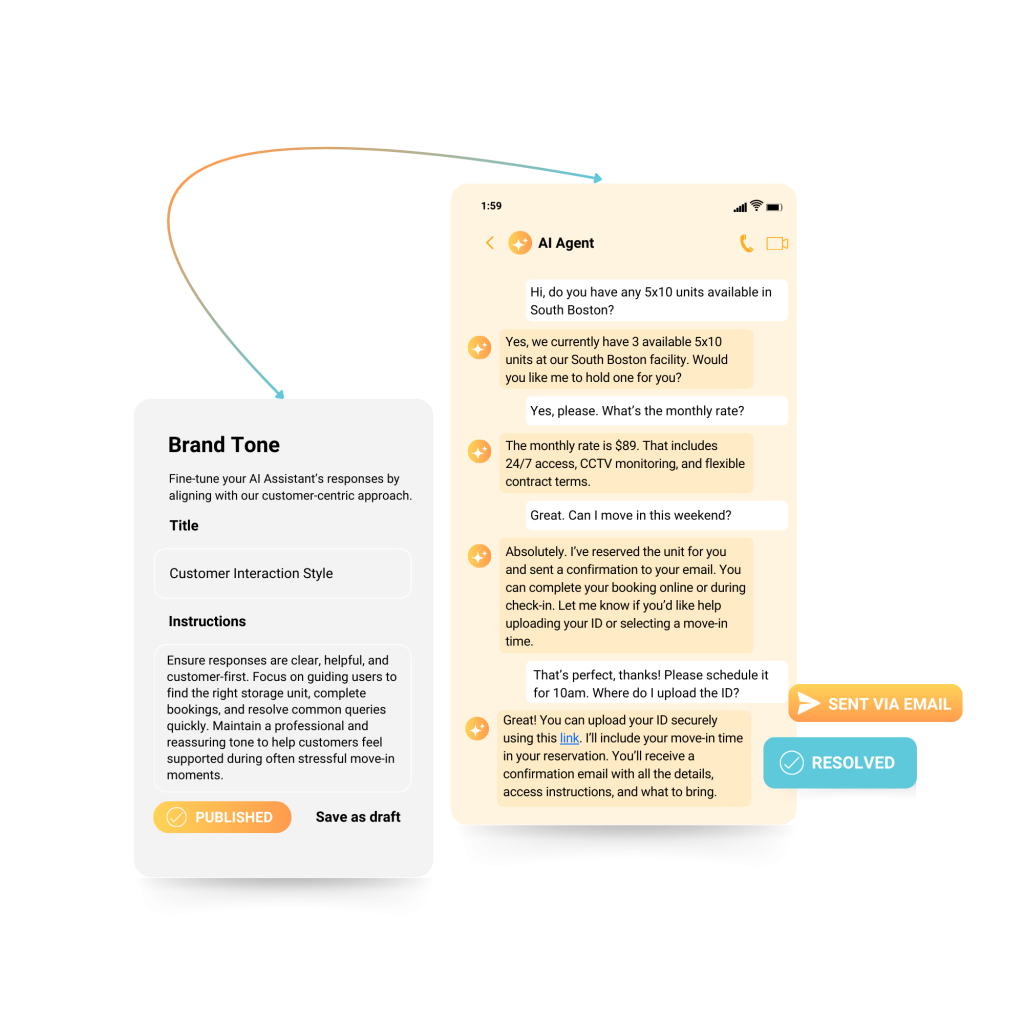
To make conversations feel more natural, AI systems began incorporating contextual understanding. By considering the context of a conversation, including previous interactions and user preferences, AI systems could provide more relevant and personalized responses. This shift allowed for more human-like interactions and increased user satisfaction. Imagine chatting with a bot that remembers your favorite coffee order or knows you prefer morning appointments—pretty cool, right?
Machine Learning and Deep Learning: The Brainpower Behind AI
Machine Learning (ML) and Deep Learning (DL) have been game-changers for conversational AI. ML algorithms enable systems to learn from data and improve over time, while DL, with its neural network architectures, enhances the ability to understand complex language patterns. These advancements have paved the way for virtual assistants and chatbots that can hold extensive, context-aware conversations.
From Assistants to Confidants
Virtual Assistants: Your New Best Friend
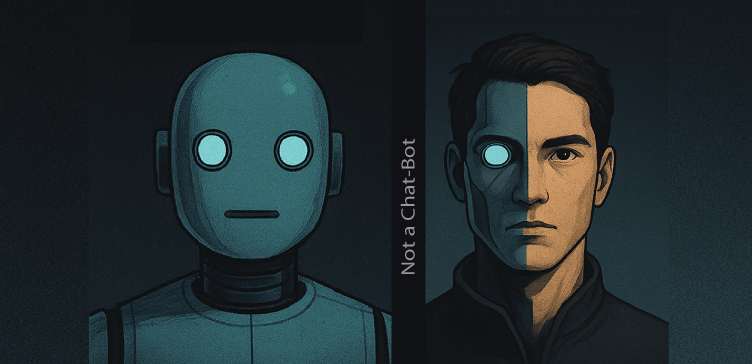
The evolution of conversational AI has given rise to virtual assistants that act as trusted confidants. These assistants can handle a wide range of tasks, from scheduling appointments and making reservations to answering complex queries and providing personalized recommendations. They can even understand emotions and adapt their responses accordingly, creating a more human-like interaction. It’s like having a personal assistant who knows you inside out!
Transforming Industries
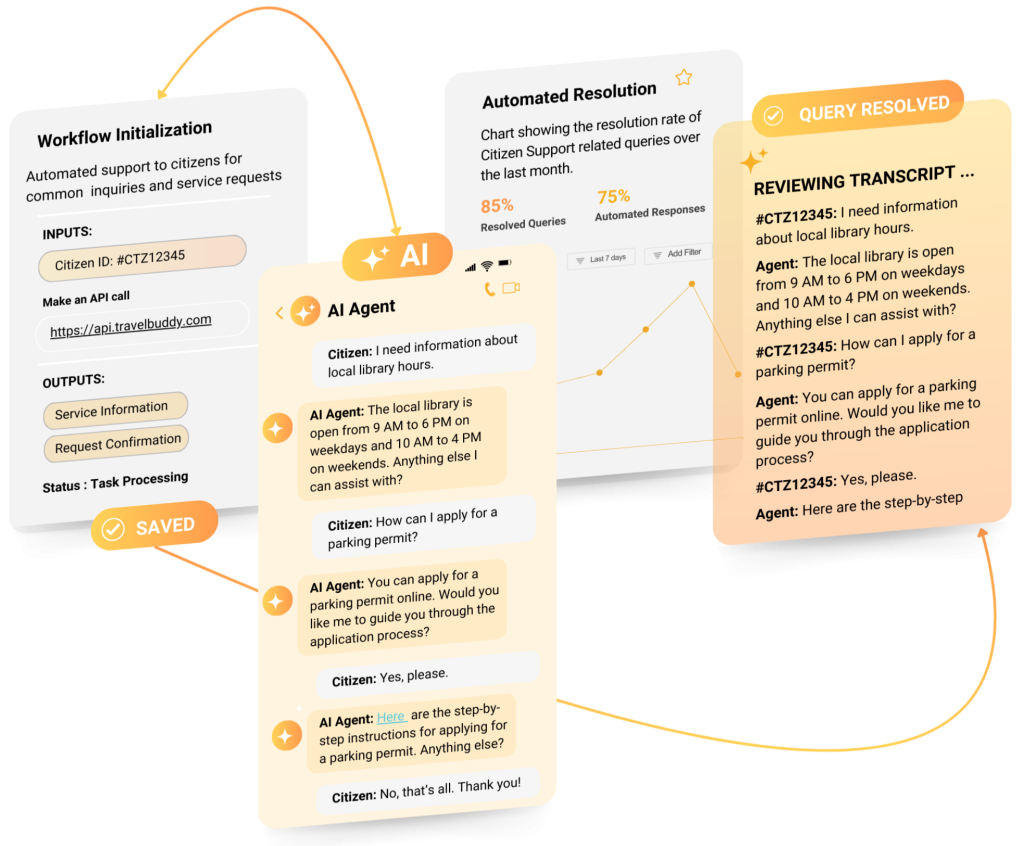
Conversational AI isn’t just about making our lives easier—it’s revolutionizing industries. In customer service, AI-powered chatbots provide round-the-clock support, reducing response times and enhancing customer satisfaction. In healthcare, they enable virtual consultations, symptom analysis, and medication reminders. The retail industry benefits from personalized shopping experiences and virtual shopping assistants. Education, finance, and many other sectors are leveraging conversational AI to improve efficiency and user experiences.
Conclusion: The Future of Conversational AI
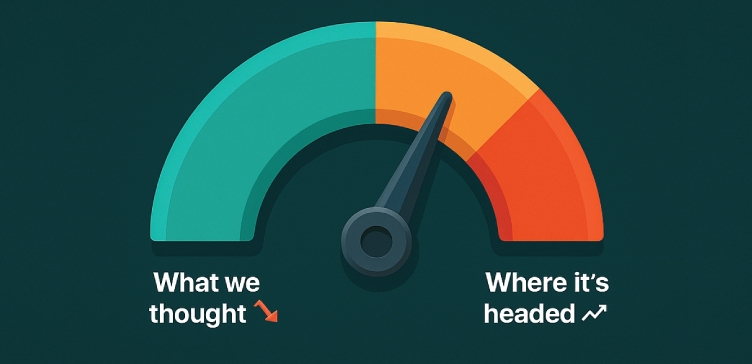
The evolution of conversational AI has taken us from simple chatbots to intelligent virtual assistants capable of holding dynamic, context-aware conversations. With advancements in NLP, ML, and DL, conversational AI has transformed industries, enhancing customer experiences and streamlining processes. As this technology continues to evolve, we can expect even more sophisticated and empathetic conversational AI systems that will become our trusted confidants in various aspects of our lives. The future of conversational AI holds great promise, and its impact will undoubtedly continue to reshape the way we interact with technology.
In short, conversational AI has turned from a simple tool into a revolutionary companion that’s making our lives easier and our interactions richer. The journey has been exciting, and the future looks even brighter. Buckle up; the best is yet to come!