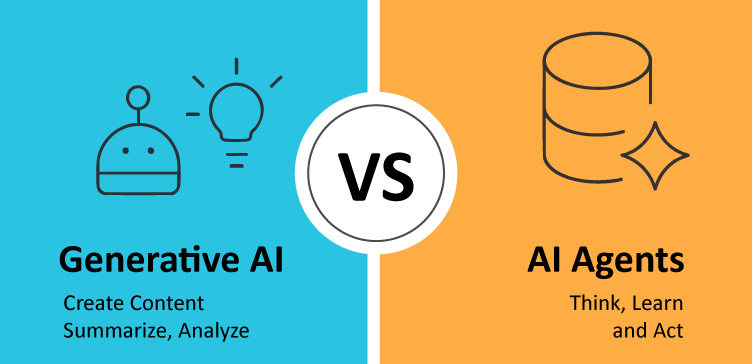
In 2025, it is time to stop calling every AI model an LLM.
The AI ecosystem is evolving rapidly. And as we move deeper into the age of agents, choosing the right model architecture is becoming a real competitive advantage.
Large Language Models still drive most of the GenAI headlines. But when it comes to agents that can plan, act, and adapt, a broader set of architectures is stepping into the spotlight.
Here are just a few that are defining the next phase:
- Language Action Models (LAMs) focus on intent recognition, short- and long-term memory, and task planning across multiple steps.
- Mixture of Experts (MoEs) route each task to specialized model clusters, enabling performance at scale without ballooning compute costs.
- Vision-Language Models (VLMs) combine image and text understanding, enabling multimodal reasoning in agents that work across formats.
- Small Language Models (SLMs) offer leaner, faster inference for edge devices or latency-sensitive applications.
- Segment Anything Models (SAMs) specialize in pixel-level segmentation, powering precise visual search and analysis tasks.
This is more than just alphabet soup.
These models reflect a real shift — away from one-model-fits-all thinking and toward composable AI systems tailored to the job at hand.
Architecting for the Real World
At EasyBee AI, we are building agents for mid-sized companies.
That means we are not just chasing capabilities. We are designing for constraints.
Our users operate in the real world. They care about bandwidth, latency, modality, memory, and trust. They do not need the largest model. They need the one that fits their workflow and delivers results.
That requires a new mindset.
Not just “which model is better,” but:
- Which model works for this context?
- How should models hand off or collaborate?
- When should a system switch strategies, adapt behavior, or downscale to keep performance smooth?
We are thinking beyond LLMs. We are building AI infrastructure that adapts to use cases — not hype cycles.
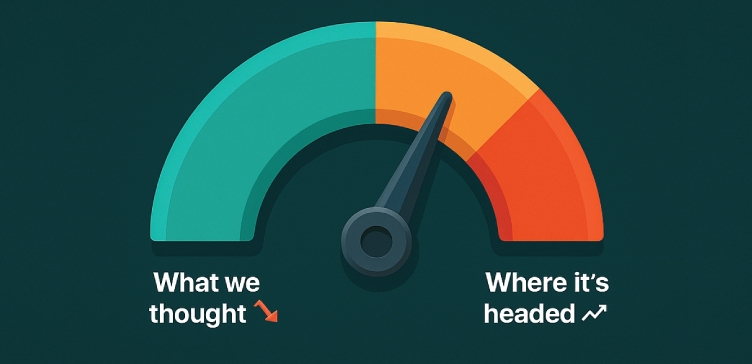
The Shift Is Already Underway
The companies that win in this next era will not be the ones that simply use bigger models.
They will be the ones that choose the right models, build modular systems, and ship agents that actually work in production.
For the mid-market — where stakes are high and teams are lean — that shift cannot come soon enough.
Better does not always mean bigger.
Smarter means fitted.
That is the future we are preparing for.