A lot of companies make the mistake of implementing AI without being ready for it (see link to the blog Top 5 Mistakes Companies make when implementing AI). This blog will dive deep into the three most useful types of AI that can transform your company today.
Power #1: Process Automation – The Robot Revolution
Process automation is the bread and butter of AI in business. It’s like having a team of tireless robots working round the clock to handle repetitive tasks. These AI-driven bots, also known as Robotic Process Automation (RPA), can do everything from updating customer records to processing invoices, all without breaking a sweat.
Real-Life Example: NASA’s Space-Saving Bots
At NASA, RPA is used to streamline tasks like accounts payable, IT spending, and human resources. These bots are so efficient that in one HR application, 86% of transactions were completed without human intervention. And don’t worry, these robots aren’t replacing humans—they’re just making their jobs easier and freeing them up for more complex tasks.
Fun Fact: Not All Robots are Smart (Yet)
While RPA is incredibly useful, it’s the least “smart” form of AI. These bots don’t learn or improve over time (though that’s slowly changing). They’re perfect for tasks that span multiple systems but don’t require advanced decision-making skills.
Power #2: Cognitive Insight – Analytics on Steroids
Cognitive insight takes data analysis to a whole new level. Think of it as analytics on steroids. By using machine learning algorithms, AI can detect patterns in vast amounts of data and interpret their meaning, providing businesses with insights that were previously impossible to obtain.
Real-Life Example: GE’s Data Goldmine
General Electric (GE) used AI to integrate supplier data, saving $80 million in its first year by eliminating redundancies and negotiating better contracts. Similarly, a large bank used AI to extract data from supplier contracts, identifying tens of millions of dollars in unaccounted products and services. These insights help companies make better decisions and optimize their operations.
Cool Insight: Machine Learning Keeps Getting Smarter
Cognitive insight applications are particularly exciting because they improve over time. The more data they process, the better they get at making predictions and identifying patterns. It’s like having a data detective who gets sharper with every case they solve.
Power #3: Cognitive Engagement – AI with a Personal Touch
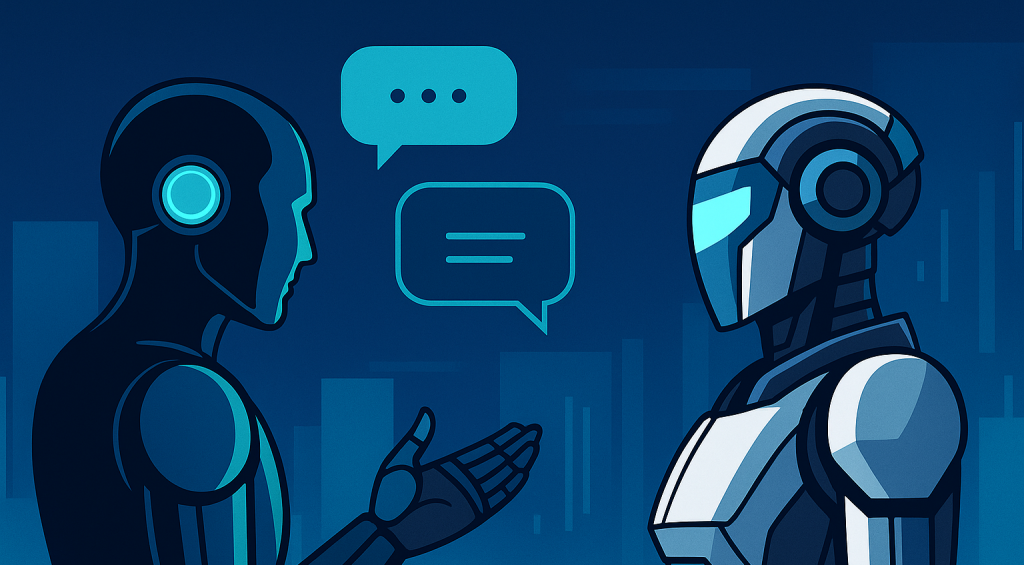
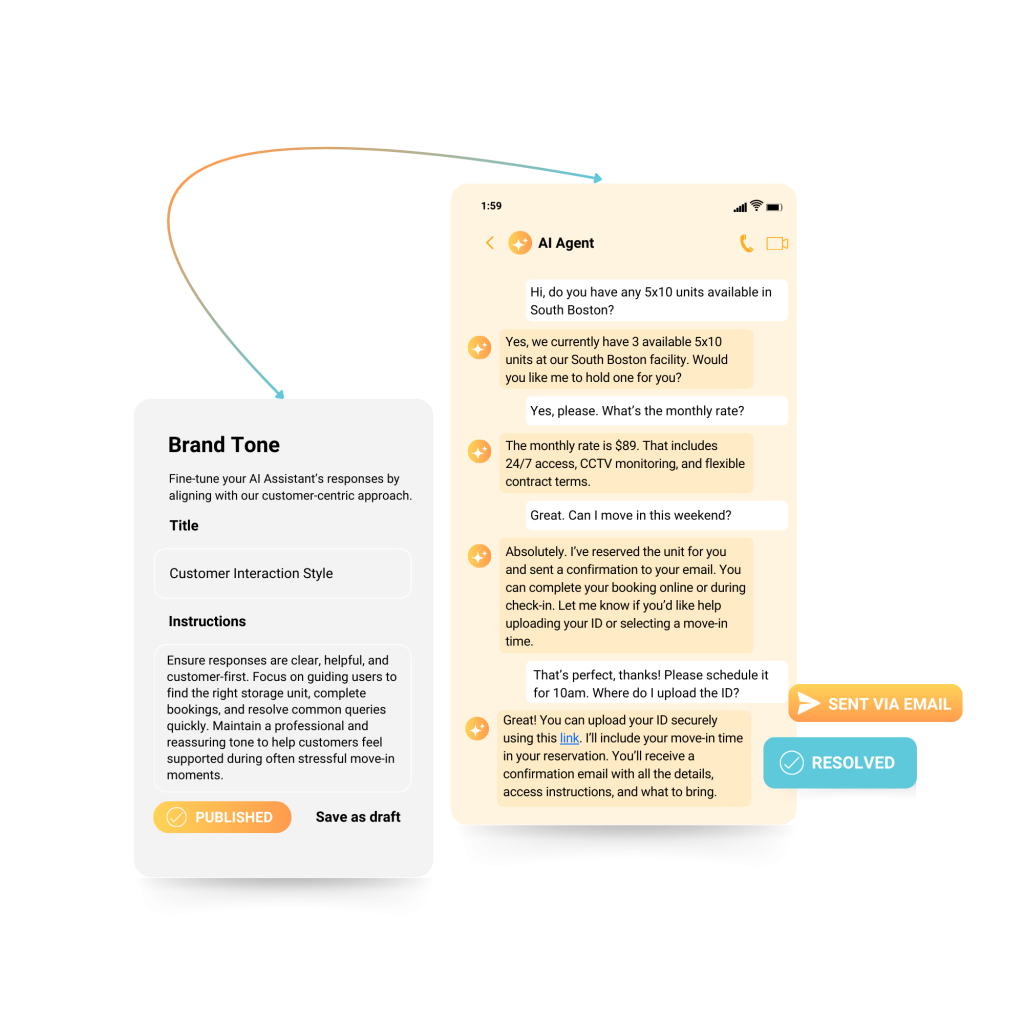
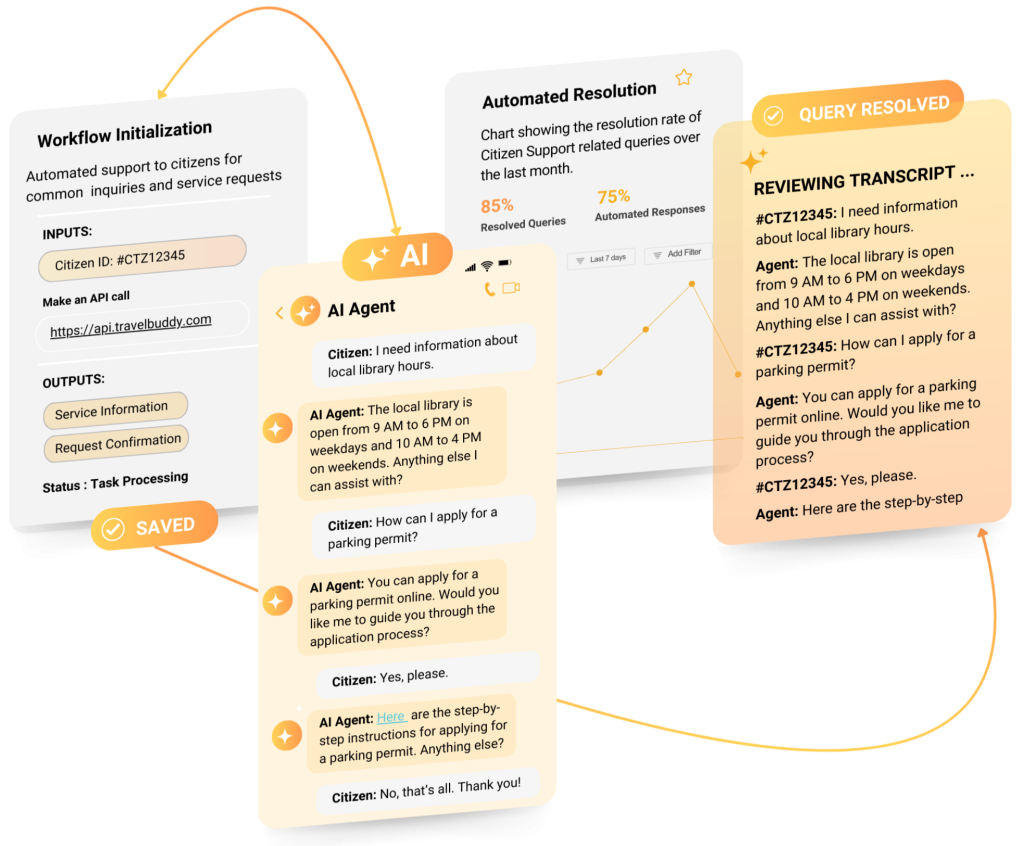
Cognitive engagement is where AI gets interactive. This involves using natural language processing (NLP) chatbots, intelligent agents, and machine learning to engage with customers and employees in a natural, conversational manner.
Real-Life Example: Amelia the AI Assistant
SEBank in Sweden and Becton Dickinson in the U.S. use an intelligent-agent avatar named Amelia for internal IT support. Amelia can interact with employees, answer IT questions, and solve problems using deep learning and natural language processing. As companies become more comfortable with AI, these systems will increasingly handle customer interactions as well.
Fun Interaction: Chatbots That Chat Back
While chatbots were initially a bit clunky, they’re getting better at holding natural conversations. Imagine chatting with a bot that understands your mood and responds with empathy. It’s like having a personal assistant who knows exactly what you need, when you need it.
Conclusion: The Future of AI in Business
AI is no longer a futuristic concept—it’s here, and it’s transforming businesses across the globe. By automating processes, providing deep insights, and engaging with users in natural ways, AI is helping companies operate more efficiently and effectively. As these technologies continue to evolve, their impact will only grow, making our interactions with businesses smoother and more enjoyable.