In the late 1800s, the arrival of the first automobile changed everything.
But even then, the car needed constant human control. It still had a steering wheel, pedals, and a driver making decisions every step of the way.
It took nearly 130 years before a truly autonomous vehicle one without a steering wheel or pedals navigated a public road on its own. That milestone came in 2015, only after millions of real-world miles and edge cases were explored by the team at Google.
Today, AI agents are in a similar place. They can complete simple, structured tasks. They can respond in predictable environments. But true autonomy, the ability to plan, adapt, and execute without oversight is still just beginning.
Most Agents Today Are Still Early Stage
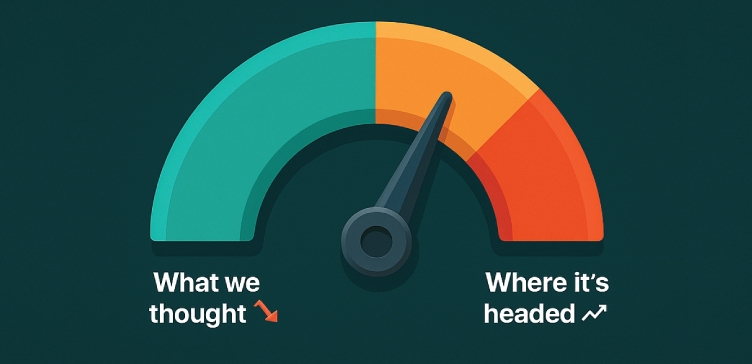
According to recent research from BCG and Anthropic, most AI agents in use today are operating at what they define as Level 1 or Level 2 maturity.
These agents can use tools with guidance. They can follow structured logic. But they lack deeper reasoning, cross-task awareness, and independent decision-making.
Level 3 agents capable of dynamic, multi-goal execution without supervision are not expected to reach maturity until 2026 or 2027.
But unlike cars, agents can evolve much faster. They do not need to log physical miles. They can be tested, simulated, and refined millions of times faster using automated environments.
This means the timeline from basic operation to full autonomy could compress from decades into just a few years.
Autonomy Requires Infrastructure
Still, autonomy alone is not enough.
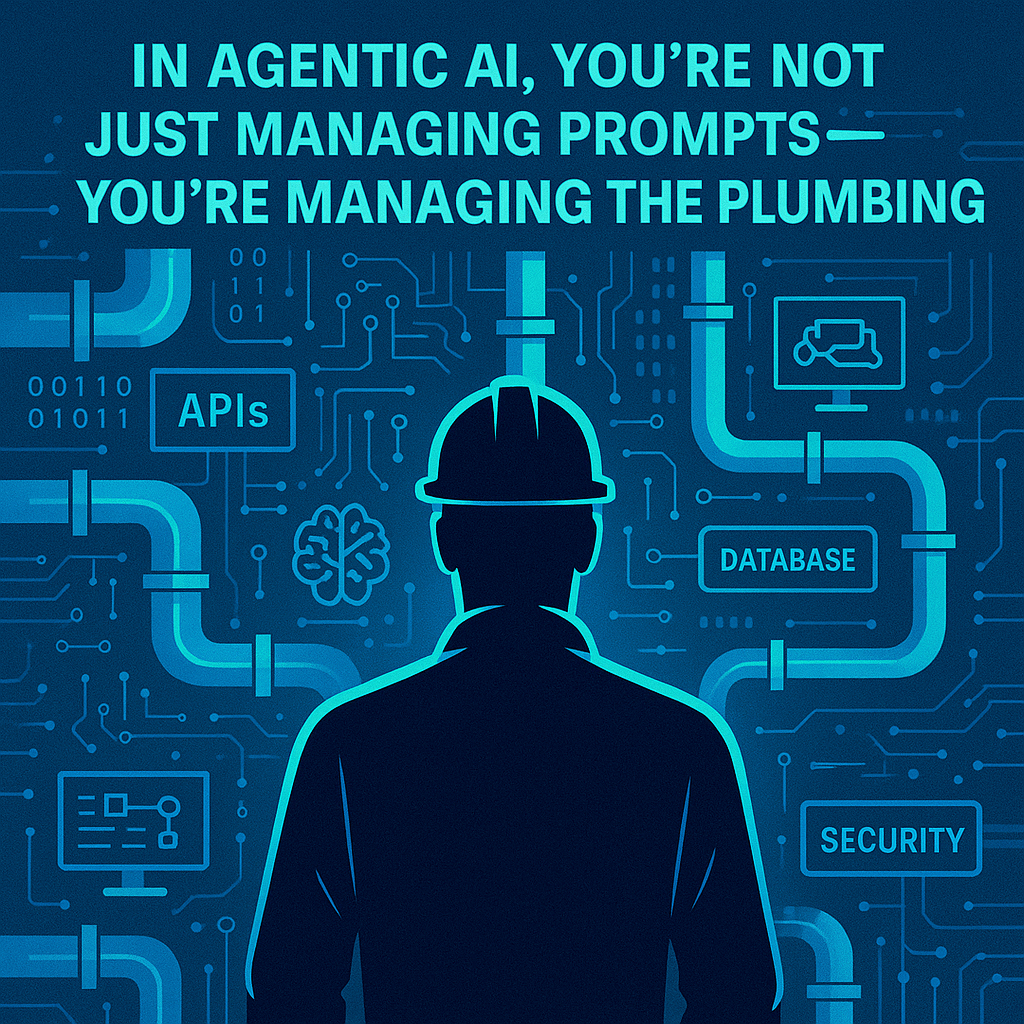
Just as cars required fuel stations, navigation systems, and road networks to scale, AI agents need their own infrastructure to operate across environments reliably.
Two standards are already beginning to emerge as foundational:
- MCP, or Model Context Protocol, provides agents with standardized, secure access to tools, data, and real-world systems.
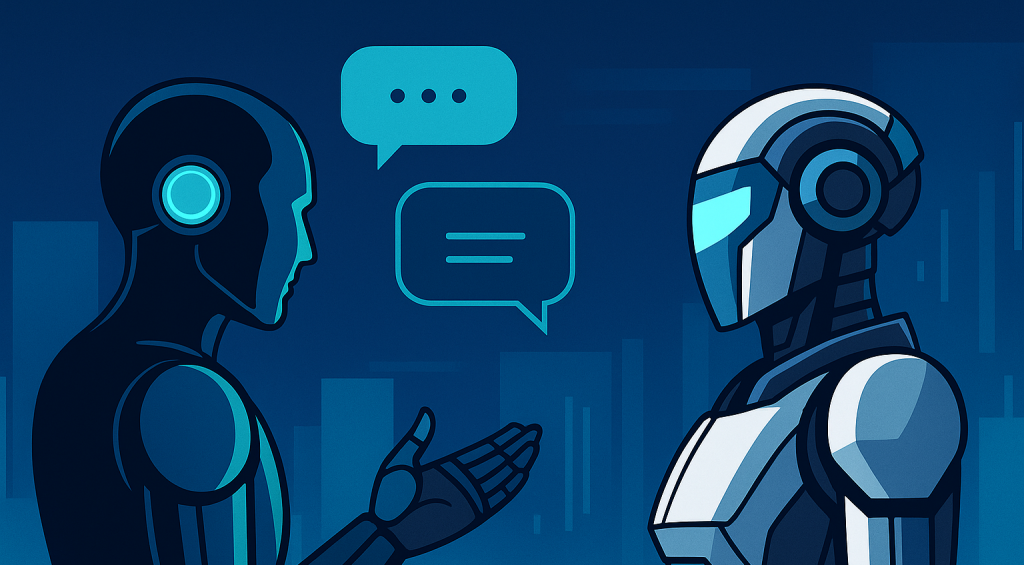
- A2A, or Agent-to-Agent communication, enables agents to work together, negotiate responsibilities, and share context across distributed workflows.
These frameworks are gaining traction quickly. OpenAI, Anthropic, and others are building the equivalent of digital highways, even before the full capabilities of autonomous agents have arrived.
The EasyBee AI Perspective
At EasyBee AI, we have been building for this future from the beginning.
We use a simple analogy to describe our vision.
Drones represent task-focused agents.
Queen bees represent orchestration agents that coordinate and manage.
Colonies represent systems of agents working together in pursuit of larger goals.
The goal is not isolated automation. It is coordinated intelligence at scale.
We are already seeing early signs of this thinking emerge across the ecosystem.
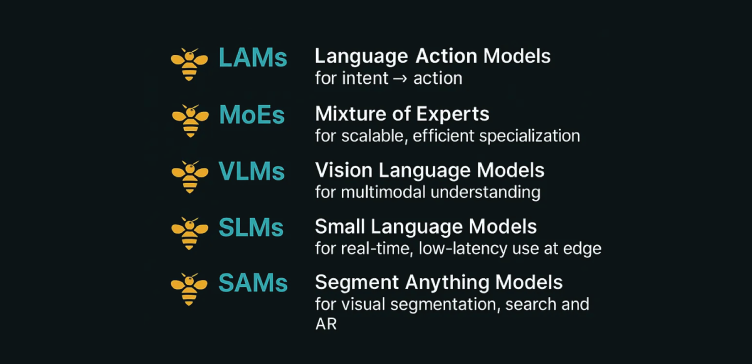
Frameworks like CrewAI, LangGraph, and GenKit are beginning to explore agent collectives systems where agents communicate, plan, and delegate dynamically.
This is no longer just a theory. The architecture for agent teamwork is already forming.
A Future Few Are Preparing For
Most teams are still focused on improving one agent, one task at a time.
But the real shift will happen when agents operate as systems. When they can collaborate, evolve, and deliver outcomes that no single model could accomplish on its own.
That is the future we are building toward at EasyBee AI.
And while few are thinking about it yet, the foundations are already being laid.