Just two years ago, “AI agents” were mostly weekend projects and conference demos — fragile prototypes that hinted at potential but struggled with reliability, integration, and real-world use cases.
Fast forward to today, and the conversation has shifted.
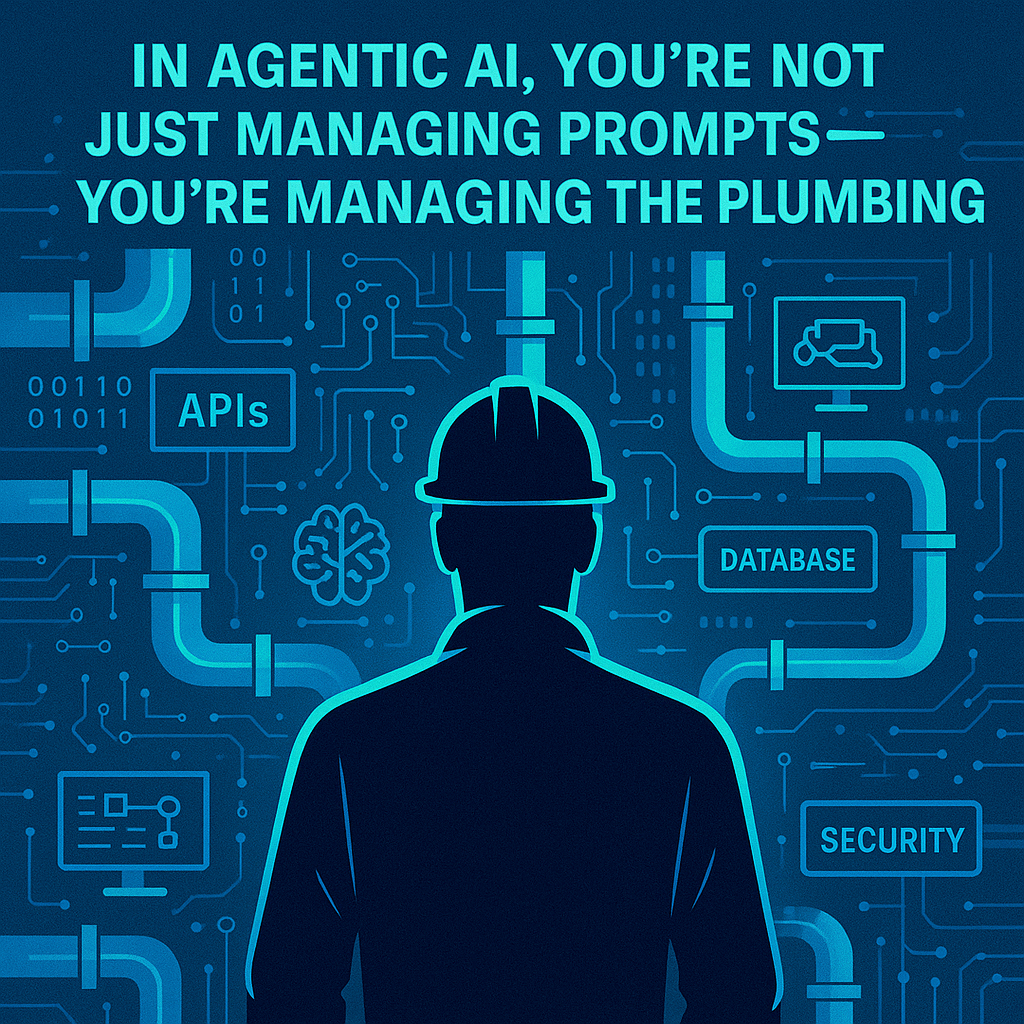
Agentic AI is no longer about proving what agents could do. It’s about building the infrastructure that ensures agents can operate securely, at scale, and across industries.
We’re entering the era of agentic frameworks and protocols — the standards that allow agents to interoperate, govern themselves, and deliver measurable ROI.
The Evolution: From Hype to Standards
☎️ Remember the early days of cell phones?
- At first, they were clunky “bricks” that could only make calls if you had the right charger and perfect signal. Cool concept — but not very practical.
- Then came the infrastructure: cell towers everywhere, SIM cards, app stores, and secure networks. Suddenly, phones weren’t just gadgets — they became smartphones that run our lives.
👉 AI agents are on the same journey.
Right now, we’re building the “cell towers and app stores” for agents (frameworks like A2A, MCP, AP2). That’s what will make them reliable, secure, and useful for everyday business — not just shiny demos.
From concept → infrastructure is when technology actually becomes indispensable.
In the early wave, most agents were “single-purpose hacks”: a prompt chain here, a Zapier action there. Useful in small contexts, but brittle and hard to scale.
What’s happening now is different. Major labs, infrastructure players, and industry coalitions are creating open protocols that standardize how agents:
- Talk to each other
- Access tools and data
- Operate securely within enterprises
This is the real maturity curve: not just more demos, but sustainable ecosystems.
Frameworks You Should Know
🔗 A2A (Agent-to-Agent Protocol) – Google + Partners
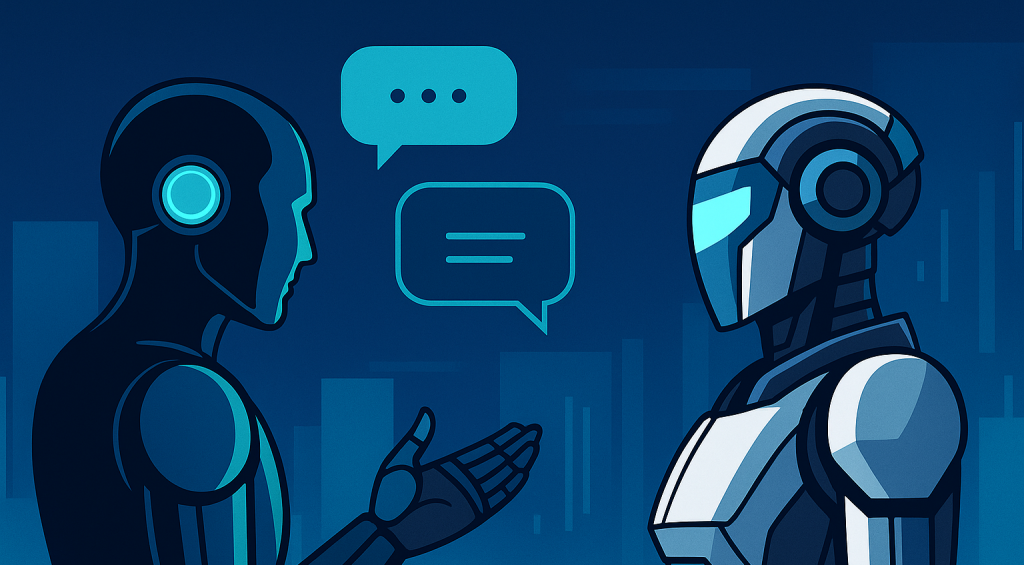
Imagine a world where one company’s agent can seamlessly negotiate or collaborate with another’s — without proprietary lock-in. That’s the idea behind A2A, launched by Google alongside 50+ industry partners.
- Enables cross-agent collaboration across vendors and platforms.
- Establishes rules of engagement so agents don’t talk past each other.
- Creates the foundation for “agent ecosystems” rather than siloed bots.
Imagine A travel planning agent that uses specialized agents for flight, hotel, and car rental bookings to coordinate a trip.
For businesses, this means interoperability — a critical step to avoid fragmentation as agent adoption grows.
🔗 MCP (Model Context Protocol) – Anthropic
One of the biggest weaknesses of early AI systems was statelessness: every prompt started from scratch, with little continuity.
MCP changes that by providing a standardized way for agents to connect with tools, data, and memory.
- Rich, persistent context across tasks and interactions.
- Easier integration with CRMs, ERPs, and proprietary datasets.
- Supports fine-grained governance — who can access what, and when.
It’s like giving a new hire access to the company handbook and past emails so they don’t forget context every day.
This isn’t just a technical advance — it’s a trust-builder. Enterprises adopting agents need confidence that memory and context aren’t a black box.
🔗 AP2 (Agent Payments Protocol) – Google
Agents are increasingly handling transactional tasks — quoting customers, processing renewals, even initiating payments.
That creates risk if security and auditability aren’t baked in.
AP2, a new protocol from Google, does exactly that:
- Provides a secure, auditable standard for agent-driven payments.
- Ensures user authorization and compliance guardrails.
- Sets the groundwork for agents to become trusted participants in financial workflows.
It’s like giving your assistant a company credit card with spending limits — they can pay for things, but only within rules you set.
For any company experimenting with commerce-facing agents, this is one of the most important developments to watch.
Why This Matters
We’re witnessing the same pattern we saw in the early internet: fragmented experiments slowly coalescing around shared protocols (think TCP/IP, HTTP).
Without these rails, agents risk becoming another siloed tech wave.
With them, they can:
- Scale safely across industries
- Integrate into mission-critical workflows
- Deliver the ROI businesses expect
2025 may be remembered as the year when agentic AI went from potential to infrastructure.
Final Thought
The future of agentic AI isn’t just about smarter models. It’s about building the systems, standards, and guardrails that make agents usable, safe, and valuable in the real world.
And while frameworks like A2A, MCP, and AP2 are still young, they represent something bigger: the beginnings of a shared foundation for the next wave of intelligent automation.
The question now is: Which of these standards will shape your industry first — collaboration, context, or commerce?